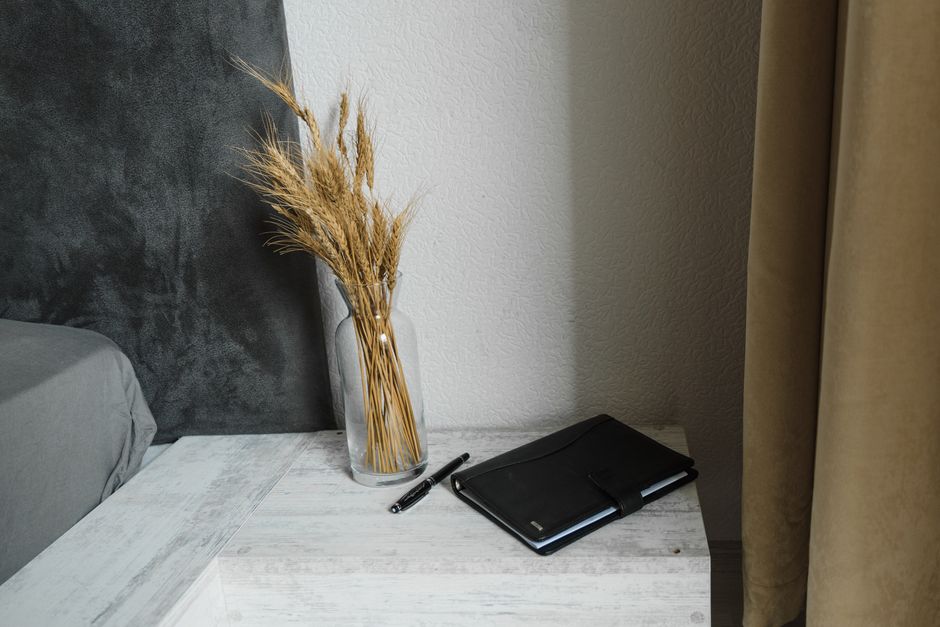
As the sun begins to filter through the curtains, the quiet of the early morning is punctuated only by the soft clatter of a coffee mug being set down on the kitchen counter. A remote worker, still in last night’s clothes, glances at the closed planner resting on the bedside table, a reminder of the reflection practice that often slips through the cracks of a busy morning routine. The goal is simple: to jot down a few thoughts before the day gains momentum, yet the urgency of getting dressed and preparing breakfast looms large. The mug, filled with freshly brewed coffee, beckons, but the notebook remains untouched, waiting for a moment that feels increasingly fleeting.
This morning, the usual sequence of actions feels off-kilter. The clothes still cling to the body longer than intended, and the thought of reflection gets pushed aside as the mind races through the tasks ahead. If only the planner were opened first, with a pen poised nearby, the act of writing could serve as a grounding ritual. Instead, the chance for a brief pause is lost, and the day starts to feel like a series of unchecked boxes. A small adjustment in the order of these morning tasks could make all the difference, ensuring that the daily reset isn’t the first casualty of a crowded schedule.
The Morning Routine in Motion
On a quiet kitchen counter, the soft light of dawn spills over a coffee mug and an open notebook, both ready for the day’s first thoughts. The remote worker, still in yesterday’s clothes, feels the weight of the morning pressing in. With a small timer set nearby, they know they have only a few minutes before the day’s demands take over. The notebook waits, its blank pages inviting a short reflection, but the usual sequence of actions feels disrupted. The urge to prepare breakfast looms larger than the desire to write, and the moment slips away.
As the mug fills with steaming coffee, the worker grabs a pen and jots down a single prompt: "What do I want to achieve today?" But instead of opening the planner first, they find themselves distracted by the need to pack a bag and get dressed. The notebook remains closed on the table, a missed opportunity for clarity. A quick check of the timer reminds them to pause and write before leaving the room, yet the clothes still cling to them, a tangible reminder of how easily reflection can be sidelined. This morning, a simple adjustment—prioritizing the act of writing over breakfast prep—could transform the chaotic start into a more centered beginning.
The First Step That Gets Skipped
This same friction shows up again in Everyday Life In The, especially when the day tightens unexpectedly.
In the early morning hush, the bedside table is cluttered with a half-drunk coffee mug and an untouched notebook. The planner lies closed, its pages a blank canvas for the day’s intentions, yet it goes unnoticed as the remote worker’s mind races ahead to the day’s demands. The soft light filters through the window, but instead of reaching for the pen kept beside the mug, the focus shifts to the kitchen, where breakfast prep begins to take precedence.
As the worker stands at the counter, the familiar routine of laying out breakfast items unfolds: a bowl, some cereal, and a splash of milk. The timer on the stove ticks softly, a gentle reminder of the minutes slipping away. Yet, the moment of reflection—intended to ground the day—gets overlooked. The act of writing a single prompt, such as "What do I want to achieve today?" is pushed aside, replaced by the urgent need to pack a bag and get dressed. The clothes, still on from the night before, cling to them like a weight, a physical reminder of how easily the practice of reflection can be sidelined.
Just before leaving the room, a quick check of the timer prompts a fleeting thought: perhaps a brief pause to jot down thoughts could still fit in. But the planner remains closed, the notebook untouched, and the opportunity for clarity vanishes into the morning chaos. This small shift in sequence—prioritizing writing over breakfast—could have provided a moment of focus, yet in the flurry of activity, it gets lost, illustrating how easily daily reflection slips away in a busy morning routine.
Why Reflection Falls Off the Radar
A slightly different version of this problem appears in Daily Routines Real Life, where the sequence changes but the hidden drag feels familiar.
The clutter on the kitchen counter can be a silent thief of time. Amidst the coffee maker, a half-eaten piece of toast, and scattered papers, the notebook often gets buried, making it easy to overlook. In the quiet early morning, before the day begins to buzz, the intention to write a short reflection may fade as the eyes dart around for the next task. This small distraction can derail a moment meant for grounding, turning it into a scramble for forgotten items.
A notification from the phone can further complicate this delicate balance. As the screen lights up, it pulls focus away from the reflection practice. Instead of contemplating the day ahead, the mind shifts to planning the next meeting or responding to a message. This hidden step—allowing the phone to interrupt a moment of stillness—creates a tradeoff where good intentions of reflection slip into the background. The planner, still closed on the table, becomes a symbol of missed opportunity, overshadowed by the urgency of daily tasks.
Before leaving the room, a quick check of the time on the kitchen clock can serve as a reminder to prioritize reflection. Setting a small timer for just five minutes could create a structured pause, allowing for a brief moment to jot down thoughts. However, without this adjustment, the reflection practice remains neglected, illustrating how easily it can be pushed aside in the morning rush. The sequence of actions—packing a bag, getting dressed, and checking the phone—often overshadows the simple act of writing, leaving reflection as an afterthought.
Rearranging the Sequence for Success
Setting out breakfast items the night before can significantly ease the morning rush for a remote worker. When the coffee mug is already placed on the kitchen counter, alongside a neatly stacked pile of oatmeal packets and a spoon, it creates a visual cue that breakfast is ready to be prepared. This small adjustment allows for a smoother flow, reducing the temptation to skip reflection time in favor of hurried meal prep.
To further enhance the chances of sticking to a daily reflection practice, position the notebook right next to the coffee mug. This way, as soon as the kettle starts boiling, the notebook is within reach, serving as a gentle reminder to pause for a moment of reflection. When the morning begins with a quiet moment, the act of writing can feel less like a chore and more like a natural extension of the routine. If the notebook is opened first, it can lead to jotting down thoughts while waiting for breakfast to finish, turning idle time into productive reflection.
However, without these small shifts in sequence, the tendency to overlook reflection becomes apparent. If the notebook remains closed and the focus shifts to packing a bag or checking emails, the opportunity for thoughtful pause slips away. A simple decision rule—always set out breakfast items and the notebook together—can help maintain this essential practice, ensuring that reflection doesn’t get lost in the morning chaos.
A Quick Check That Prevents More Drift
The kitchen counter, often cluttered with breakfast items, can also serve as a launchpad for reflection. Before packing your bag for the day, take a moment to check that your planner is open and ready. This small action, placing the planner next to your coffee mug, creates a visual cue that reminds you to pause for reflection. It’s a quick check that can easily slip your mind, especially when the morning feels rushed.
When you notice the planner lying closed, it signals that your routine might be drifting. Instead of diving into emails or scrolling through your phone, take a minute to jot down a thought or two in the planner. This can be as simple as writing down what you’re grateful for or outlining your priorities for the day. The act of writing while waiting for the kettle to boil transforms a mundane moment into a productive one, anchoring your morning routine to a sense of purpose.
By consistently placing the planner in a prominent spot—right beside the coffee mug—you create a habit that reinforces your daily reflection practice. This small adjustment in sequence ensures that your thoughts don’t get lost in the shuffle of a busy morning, keeping your reflection practice alive even on the busiest days.
What Gets Easier in the Next Time Block
Setting your coffee mug next to an open notebook on the kitchen counter can transform your morning routine. As the sun starts to peek through the window, this simple setup invites you to pause. The quiet hum of the kettle provides a perfect backdrop for a moment of reflection, allowing you to jot down a quick note before diving into the day.
When you take a moment to write while waiting for breakfast, you create a small habit that can ripple through the rest of your day. Instead of slipping into the usual pattern of checking emails or scrolling through social media, you’re engaging with your thoughts. This shift not only grounds your morning but also sets a tone of intention. If your planner remains closed on the table, it’s a signal that you might be skipping this crucial step.
Before you leave the kitchen, take a moment to check that you’ve packed your lunch and set out your breakfast items. This small action can prevent the chaos of forgetting essentials later. By placing the planner in a visible spot, you ensure that your reflection practice becomes a consistent part of your routine, making it easier to carry that focus into your next time block. Each time you complete this sequence, you reinforce the habit, creating a smoother transition into your workday.
As you navigate the morning rush, it's easy to overlook the small but vital moments of reflection. The planner lying closed on the table is a clear indicator that your routine might be slipping. When you prioritize setting out your breakfast items, take a moment to also open that planner. This simple act can serve as a visual cue to engage with your thoughts, ensuring that reflection remains a part of your daily structure.
Before you leave the kitchen, make it a habit to check that everything is in order—your lunch packed and your reflection prompt ready to go. This small adjustment can create a ripple effect, helping you maintain consistency in your daily practices. By anchoring your reflection to a specific action, like preparing breakfast, you reinforce the importance of taking that quiet pause, setting a focused tone for the day ahead.