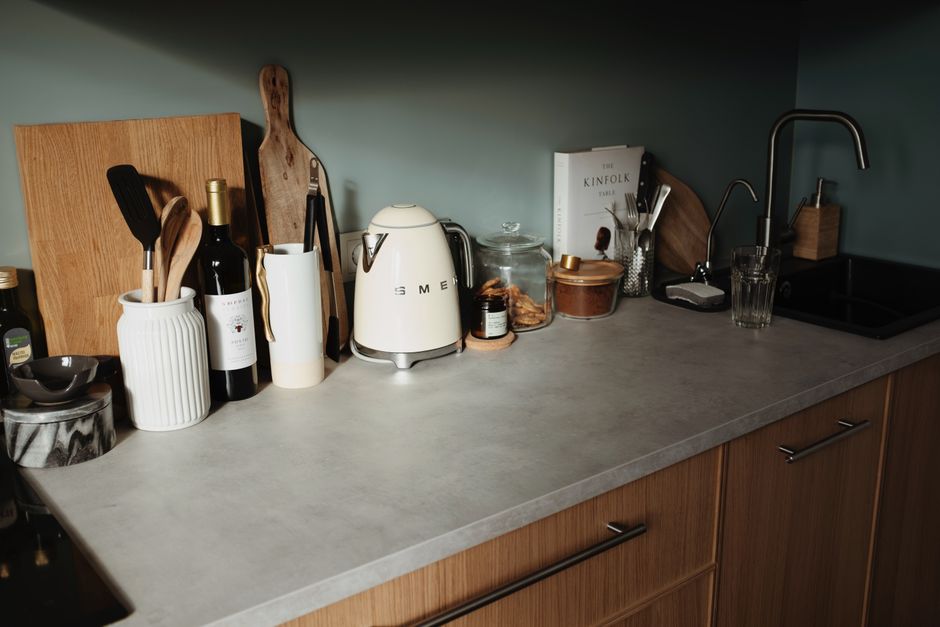
On a quiet early morning, the kitchen counter is cluttered with the remnants of yesterday's breakfast and the tools of today's routine. A coffee mug sits next to an open notebook, its pages waiting for the day’s first reflection. As the timer ticks down from five minutes, the need to write feels urgent, yet the pull of getting dressed is stronger. Work clothes linger on the chair, a reminder that time is slipping away. The umbrella, always left by the door, serves as a silent witness to the chaos that ensues when mornings get hectic.
In the rush to leave, the reflection practice often gets sidelined. The notebook remains untouched, and the small timer is ignored as the focus shifts to packing the bag. Without a visible cue, like placing the notebook next to the keys, the chance for a quick reflection evaporates. This missed step can lead to a day that feels disjointed, where the morning's quiet intention is lost in the shuffle of daily life. The simple act of moving the umbrella closer to the door could serve as a reminder to pause and reflect, but instead, it becomes just another item in the background, overlooked in the morning frenzy.
The Morning Setup: Where Reflection Begins
On a quiet kitchen counter, the remnants of last night’s dishes are pushed aside, creating a small sanctuary for morning reflection. A notebook lies open, its pages blank and inviting, while a pen rests nearby, ready to capture thoughts. The coffee mug, still warm from a recent pour, sits within reach, offering comfort as the small timer ticks down from five minutes. This is the moment to gather clarity before the day unfolds, yet the work clothes, draped on a chair, loom as a reminder of the time slipping away.
As the timer begins its countdown, the urge to dive into a busy routine grows stronger. The notebook beckons, but the focus shifts to packing the bag instead. Without a visible cue, like placing the notebook next to the keys, the chance for a quick reflection evaporates. The umbrella, often left by the door, serves as a silent witness to this chaos, reminding that even small adjustments can create a smoother transition into the day. Moving the notebook into the line of sight could serve as a gentle nudge, reinforcing the importance of this fleeting moment. In the end, the choice to pause and reflect can easily get overshadowed by the urgency of getting dressed, leaving the morning's intention lost in the shuffle. Steps That Often Get Missed The early morning light filters through the kitchen window, illuminating the cluttered counter where a notebook and pen sit waiting. As the clock ticks, the urge to jump into the day’s tasks grows stronger, often leading to missed opportunities for reflection. One common oversight is neglecting to set a timer for this moment of clarity. Without that five-minute countdown, the tendency is to let the mind wander or get distracted by the day’s demands, leaving little room for focused thought.
Choosing a reflection prompt can also slip through the cracks. Instead of selecting a question from a pre-prepared list, it’s easy to freeze, wasting precious seconds trying to think of something on the spot. This indecision not only steals time but also dilutes the effectiveness of the practice. For instance, if the notebook is left unopened while the coffee brews, the opportunity to jot down thoughts or feelings may vanish altogether.
To counter this, placing the notebook next to the coffee maker creates a visual cue that encourages engagement. When the timer is set and the prompt is ready, there’s a tangible structure to the reflection process. However, if the work clothes remain draped on the chair, they become a looming reminder of the tasks ahead, pulling focus away from the quiet moment intended for reflection. The simple act of moving the notebook into a more visible spot can transform the morning routine, ensuring that this essential practice doesn’t get lost in the shuffle.
The Bottleneck: When Time Runs Out
As the morning light filters through the kitchen window, the timer ticks down from five minutes, a small but crucial window for reflection. Yet, the moment is often interrupted by the sound of a notification pinging on the phone, pulling attention away from the notebook resting on the counter. With the coffee brewing and the aroma filling the air, it’s easy to lose track of time, especially when the bag for work still needs to be packed. The notebook sits open, but the prompt—a simple question about intentions for the day—remains unanswered as the mind drifts toward the tasks ahead.
In this frantic moment, the reflection process clogs up, as the focus shifts from introspection to the looming responsibilities of the day. Packing the bag takes longer than expected; the umbrella, which should have been placed by the door the night before, still sits in the corner of the kitchen. Each minute spent searching for essentials delays the next step of the morning routine, leaving little room for reflection. To streamline this, consider placing the umbrella in a more visible location, perhaps right next to the bag. This small adjustment not only clears the clutter but also serves as a reminder to prioritize the reflection practice before the day gets too loud.
A slightly different version of this problem appears in Daily Routines Real Life, where the sequence changes but the hidden drag feels familiar.
A Better Sequence for Your Five Minutes
In the early morning, before the day’s noise takes over, the kitchen counter becomes a hub for reflection. However, when the notebook sits closed and the timer is nowhere in sight, those five precious minutes slip away. To make the most of this time, a clearer sequence can help ensure that reflection doesn’t get lost in the shuffle of breakfast triage.
- Grab your notebook and pen immediately, placing them in front of you on the counter.
- Set the timer for five minutes before you start thinking about your day.
- Write down one intention or thought in response to your prompt, keeping it simple and direct.
By placing the notebook and pen right next to the coffee mug, you create a visual cue that encourages you to start writing. Setting the timer first helps to establish a boundary, making it clear that this is dedicated time for reflection. If the umbrella had been moved to the door the night before, the morning rush would feel less chaotic, allowing you to focus on your reflection instead of scrambling to find essentials. Next time, prioritize these small adjustments to keep your weekday routine on track.
What to Check Before the Morning Rush
As the quiet morning begins to dissolve into the bustle of the day, it’s easy to overlook the small steps that keep your reflection routine intact. Start by ensuring your reflection space on the kitchen counter is tidy. If your notebook and pen are cluttered under yesterday's mail, you might skip writing altogether. Instead, place your notebook open next to your coffee mug, making it an inviting spot to pause and reflect.
Before diving into breakfast, take a moment to check your bag. Is it packed with everything you need for the day? A quick glance at your work clothes hanging by the door can remind you that they’ve lingered longer than intended. If you had moved the umbrella to the door the night before, you wouldn’t be scrambling to grab it last minute. This small adjustment can help you maintain focus on your reflection rather than get lost in the morning chaos. Prioritize these checks to solidify your weekday routine, ensuring you’re ready to step out the door without losing sight of your daily intentions.
The Result of a Streamlined Routine
This same friction shows up again in Everyday Life In The, especially when the day tightens unexpectedly.
When the kitchen counter is clear and your notebook is open, daily reflection feels less like a chore and more like a natural part of your morning. The act of writing down your thoughts becomes a quick five-minute ritual, seamlessly fitting into the time it takes to sip your coffee. Instead of rushing through breakfast, you find yourself pausing to jot down a few lines about what you hope to accomplish today. This small adjustment transforms your morning routine into a more intentional start.
With everything in its place, the stress of forgetting items diminishes significantly. You can glance at your packed bag, ensuring you have your laptop, charger, and that all-important umbrella—now conveniently moved to the door instead of being lost in the shuffle. This shift not only saves time but also prevents the frantic last-minute searches that can derail your focus. As you step out, you carry not just your belongings but also a clearer mindset, ready to tackle the day ahead.
Implementing these changes leads to a more consistent reflection practice. Each morning, you’re less likely to skip writing because the setup invites you to engage. The quiet early hours become a sanctuary for thought, rather than a chaotic scramble. By prioritizing these small yet impactful adjustments, you create an everyday system that supports your intentions and keeps your weekday routine on track.
As the morning rush unfolds, the simple act of placing your reflection notebook prominently on the kitchen counter can make all the difference. This small adjustment serves as a visual cue, reminding you to pause and engage with your thoughts before the day’s demands take over. Without this intentional placement, it’s easy to overlook your reflection practice in the chaos of breakfast triage and last-minute preparations.
Incorporating this check into your routine not only fosters consistency but also reinforces the habit of daily reflection. When you sit down with your coffee mug, pen in hand, and a timer set for five minutes, you're not just writing; you’re anchoring your day. Next time you prepare to leave, ensure that your reflection tools are front and center—this will help you reclaim those quiet moments that often slip away in the busyness of life.
