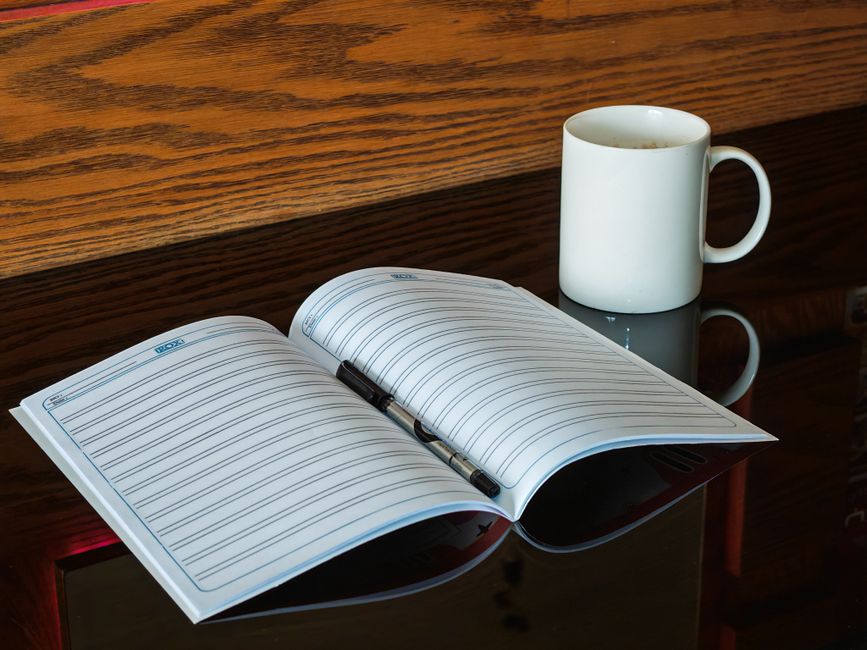
As the early morning light filters through the kitchen window, the familiar sight of a cluttered counter greets you. A half-empty coffee mug sits next to a notebook, its pages waiting for the day's first reflections. You glance at the entryway chair, where your work clothes still hang, a reminder of yesterday's chaos. The small timer on the table is set to five minutes, ready to guide your thoughts, but the noise of the day is already creeping in. With a deep breath, you reach for the pen, determined to carve out this moment before the day's demands take over.
In this quiet space, the act of writing feels both grounding and daunting. You know the timer will help keep you focused, yet the urge to rush through this reflection looms large. What often gets overlooked is the simple act of placing the notebook in a more visible spot, like right next to the coffee maker. That small adjustment could serve as a prompt, nudging you to engage with your thoughts rather than letting them slip away. As you set the timer, you realize that the sequence of your actions matters—how you approach this daily reset can shape not just your reflections, but the consistency of the habit itself.
The Morning Reflection Routine: A Common Scene
The kitchen counter is still, save for the soft glow of the clock ticking towards dawn. A notebook lies open, its pages inviting, accompanied by a pen that rests just beside a steaming coffee mug. As the sun begins to rise, you can feel the weight of yesterday's chaos lingering, a reminder of the messy day that unfolded. You pull the small timer closer, setting it for five minutes, a lifeline to keep your thoughts contained amidst the growing noise of the morning.
In this quiet moment, the act of writing feels both necessary and daunting. You know that placing the notebook right next to the coffee maker could serve as a visual cue, nudging you to engage with your reflections before the day pulls you in different directions. Instead, it sits slightly out of reach, a detail that could easily slip your mind. As you start the timer, the sequence of actions becomes crucial; the timer's ticking is a reminder to focus, yet the urge to rush through your thoughts looms large. This small adjustment in where you keep your notebook could change everything, making it easier to prioritize this daily reset before the demands of the day take hold. The Moment It Starts to Slip: A Small Break in Routine As you glance at the entryway chair, the work clothes you meant to change out of still cling to you, a reminder of yesterday’s chaos. The small timer sits on the kitchen counter, its bright display a promise of five focused minutes for reflection. Yet, as the minutes tick away, the urge to rush through your thoughts grows stronger, making it easy to overlook the notebook tucked away in the corner. You know that writing just one short prompt could help reset your mindset, but the distraction of the day ahead looms large.
In this moment, the sequence of your actions becomes critical. Instead of grabbing the notebook and pen right away, you hesitate, letting the timer run without utilizing it effectively. The missed check of placing the notebook next to the coffee maker means it’s out of sight and out of mind. As a result, the opportunity for that daily reset slips through your fingers, leaving you unprepared for the demands of the day. The small adjustment of moving the notebook into clear view could make all the difference, allowing you to reclaim those precious moments before the morning noise takes over.
Why the Routine Fails: The Mechanism Behind the Friction
This same friction shows up again in Everyday Life In The, especially when the day tightens unexpectedly.
As you settle into the quiet early morning, the kitchen counter becomes your makeshift reflection station. The coffee maker gurgles softly, and the timer sits waiting, but the notebook remains untouched on the shelf. You intended to jot down a few thoughts, yet the sequence of your actions falters. Instead of reaching for the pen right away, you grab your phone to check the time, inadvertently allowing the minutes to slip by. This small delay creates a ripple effect, transforming the timer from a helpful prompt into a source of stress, as you realize you’re running out of time before breakfast.
The hidden step of placing your notebook directly next to the coffee maker could have shifted the entire morning routine. With the notebook in clear view, it would serve as a visual cue, prompting you to pause and reflect before the day begins. Instead, the work clothes you planned to change out of linger longer than intended, dragging your focus away from that critical moment of reset. Good intentions alone won’t suffice when the setup isn’t conducive to action; without that small adjustment, the opportunity for reflection fades, leaving you unprepared for the day’s demands.
Adjusting the Sequence: A Simple Check to Improve Consistency
A slightly different version of this problem appears in Daily Routines Real Life, where the sequence changes but the hidden drag feels familiar.
The evening before a busy day, your entryway chair becomes a dumping ground for work clothes, leaving little room for the clarity you seek in your daily reflection. Instead of letting this clutter distract you, a small adjustment in your routine can create a smoother transition into your morning reflection practice.
- Pack your bag the night before, ensuring all essentials are ready to go. This not only reduces morning stress but also frees up mental space for reflection.
- Place your notebook and pen directly next to your coffee maker. This visual cue will remind you to pause and jot down your thoughts before the day takes over.
- Change the order of your actions: instead of checking your phone first thing, start with brewing your coffee. This sets a calming tone and gives you a moment to collect your thoughts before diving into your reflection.
By implementing these small shifts, you create an environment that supports your intention to reflect. The work clothes, instead of lingering as a distraction, become a reminder of the importance of your evening reset. With your notebook visible and your bag ready, you can reclaim that quiet moment in the morning, making reflection a more consistent part of your daily routine.
The Ripple Effect: Carrying Forward the Adjustment
After a chaotic day, the evening reset becomes crucial for setting the tone for tomorrow. As you step into your entryway, the chair that usually holds a pile of discarded clothes is now clear. This small change allows you to see the space as an invitation to breathe and prepare for the next morning.
With the umbrella finally moved to the door, you can grab it without a second thought, preventing that last-minute scramble before heading out. Each evening, as you sit down with your notebook and pen, the quiet of the early morning feels less like a race against time and more like a moment of peace. The timer sits beside your coffee mug, ready to count down those five minutes for reflection.
By taking this moment to write down your thoughts, you’re not just resetting your day; you’re creating a ripple effect that extends into the next. The clarity gained from that brief reflection allows you to approach your tasks with a more organized mindset. As you pack your bag for the morning, you notice that the essentials are already in place, eliminating the usual frantic search for your keys or wallet. Each small adjustment reinforces the value of your evening routine, making the morning feel less daunting and more manageable.
As you reflect on your day, the sequence of your evening routine becomes clear. The simple act of placing your notebook on the kitchen counter, right next to your coffee mug, ensures it’s the first thing you see in the morning. This small adjustment prevents the chaos of forgetting to write down your thoughts amidst the morning rush. By making that notebook visible, you create a gentle prompt for yourself to take those five minutes before the day gets loud.
When you sit down to write, the timer begins its countdown, and you can feel the weight of the day lifting. Each reflection not only helps you reset but also prepares you for tomorrow. Remember to check that your work clothes are put away before heading to bed; it’s a small detail that can shift your mindset for the next morning. With each evening reset, you’re not just building a routine; you’re establishing a system that fosters consistency in your daily reflection practices.